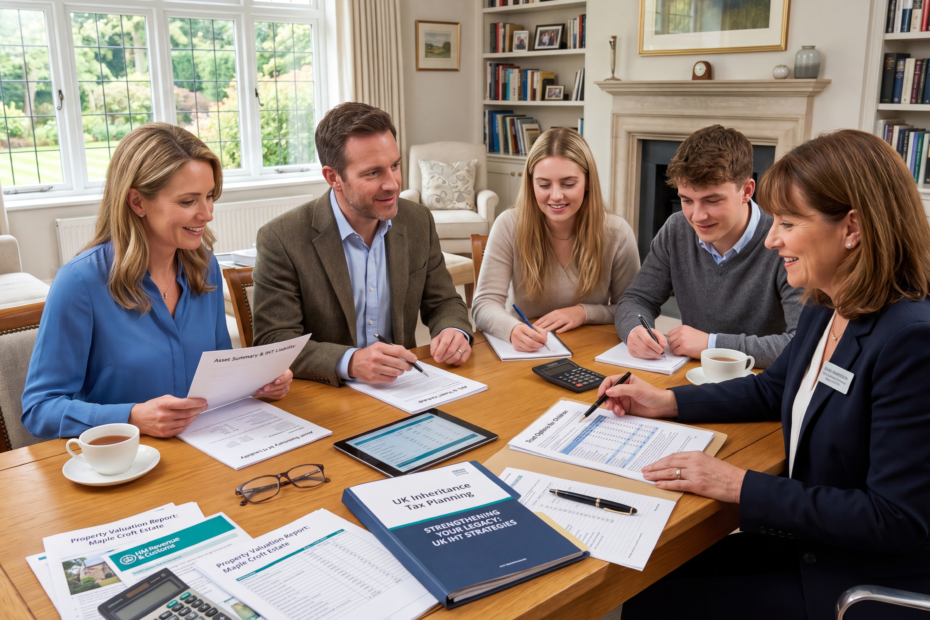
Inheritance Tax (IHT) remains one of the most misunderstood taxes in the UK. Many people assume that their estate will not be affected. However, rising property values and frozen tax thresholds mean more families are now facing potential Inheritance Tax liabilities.
If you are planning for the future, understanding the Inheritance Tax thresholds in 2026 is essential. Knowing how the rules work can help you protect more of your wealth for your loved ones.
Inheritance Tax is a tax charged on the value of a person’s estate after they die. An estate includes:
In most cases, Inheritance Tax is charged at 40% on the value of an estate above the available tax-free allowances.
Many UK homeowners don’t realise their property can be used to pay for care fees. Get free advice before a crisis hits and protect what you’ve worked your whole life for.
Request Your Free Estate Planning ReviewThe standard Inheritance Tax threshold, known as the Nil-Rate Band (NRB), remains at £325,000 in 2026. This threshold has been frozen for many years and is currently expected to remain unchanged until 2030.
This means:
If an estate is worth £425,000:
Many homeowners can benefit from an additional allowance called the Residence Nil-Rate Band (RNRB).
In 2026, the Residence Nil-Rate Band remains at £175,000. It applies when a qualifying property is left to direct descendants, such as:
This means an individual could potentially pass on:
Total tax-free allowance: £500,000.
Yes, in many cases they can.
When one spouse or civil partner dies, any unused allowances can usually be transferred to the surviving spouse.
As a result, a married couple or civil partners may be able to pass on:
Total potential allowance: £1 million.
This is one of the most valuable Inheritance Tax benefits available to families.
Not everyone can claim the full Residence Nil-Rate Band.
If an estate exceeds £2 million, the Residence Nil-Rate Band begins to reduce. For every £2 above the £2 million threshold, £1 of the allowance is lost.
As a result, larger estates may lose some or all of this valuable tax relief.
Estate value: £2.2 million
Amount above threshold: £200,000
Reduction in Residence Nil-Rate Band: £100,000
This can significantly increase the eventual Inheritance Tax bill.
Although the thresholds have remained unchanged, property prices and asset values have increased substantially over recent years.
As a result:
This phenomenon is often referred to as “fiscal drag,” where frozen allowances gradually pull more people into the tax system.
There are several legitimate ways to reduce a future Inheritance Tax liability.
These may include:
Certain gifts can fall outside your estate if you survive for seven years after making them.
Some trusts can help with estate planning and asset protection when used appropriately.
If at least 10% of your net estate is left to charity, the Inheritance Tax rate on the taxable portion may reduce from 40% to 36%.
Regular reviews can ensure that wills, trusts, and beneficiary arrangements remain tax-efficient.
Inheritance Tax planning is no longer just a concern for the very wealthy.
With tax thresholds frozen and property values remaining high in many parts of the UK, more ordinary families are finding themselves exposed to potential tax liabilities.
A well-structured estate plan can help:
Seeking professional advice early can often save families significant amounts in tax and administration costs later.
The Inheritance Tax thresholds in 2026 remain unchanged at £325,000 for the Nil-Rate Band and £175,000 for the Residence Nil-Rate Band. For many families, this means a potential tax-free allowance of up to £500,000 per person or up to £1 million for married couples and civil partners.
Understanding these thresholds is an important part of effective estate planning. By reviewing your arrangements now, you can help ensure that more of your hard-earned wealth passes to the people you care about most.