Skip to content
Home » News » UK Patients get Access to free NHS services

UK Patients get Access to free NHS services

UK patients get Access to free NHS services shown with bold white text on a blue background and NHS logo.

Recent changes to the healthcare system mean that more Access to free NHS services is being rolled out across England. This development aims to make crucial health checks and treatments available outside of traditional working hours, ensuring patients receive timely care without the barriers that previously prevented many from attending.

Expanded Access to free NHS services

The UK government and NHS have announced measures that extend Access to free NHS services beyond standard weekday appointments. Patients in England can now book key health checks, such as blood pressure monitoring, cholesterol testing, and diabetes risk assessments, during evenings and weekends.

According to a recent Guardian article, the initiative has been designed to address long-standing concerns about accessibility. Many people find it difficult to attend appointments during normal working hours due to employment, childcare, or other responsibilities. By expanding availability, the NHS hopes to improve early detection of serious conditions and reduce pressure on emergency services.

Why this change matters

For many patients, the new arrangements could be life-changing. Health professionals have long warned that undetected high blood pressure and diabetes are leading causes of heart attacks and strokes. By providing extended opportunities for patients to attend screenings, the NHS is improving its ability to catch conditions early, when they can be managed more effectively.

🛡️ Worried About Losing Your Home to Care Fees?

Many UK homeowners don’t realise their property can be used to pay for care fees. Get free advice before a crisis hits and protect what you’ve worked your whole life for.

Request Your Free Estate Planning Review

This move also aims to tackle inequalities in healthcare. Communities with higher rates of chronic illness often struggle to access regular GP services. By increasing availability out of hours, those who work long shifts or have irregular schedules are less likely to miss out on essential care.

What services are included?

  • Blood pressure checks – often the first step in preventing heart disease.

  • Diabetes screening – vital for spotting pre-diabetic conditions early.

  • Cholesterol testing – important for reducing the risk of cardiovascular disease.

  • Health advice sessions – guidance on diet, lifestyle, and exercise to reduce risk factors.

These services will continue to be free at the point of delivery, reaffirming the NHS principle that healthcare should be available to everyone based on need, not ability to pay.

How to book an appointment

Patients should be able to book appointments through their local GP surgery, online NHS portals, or by calling their practice. The additional hours are being integrated into existing primary care systems, meaning that patients won’t need to attend a different clinic or register separately.

In many areas, pharmacies and community health hubs are also being brought into the fold, offering a wider range of venues where patients can attend screenings. This flexibility is expected to reduce waiting times and ensure patients can access help more quickly.

Final thoughts

The extension of Access to free NHS services marks a significant improvement in the UK’s healthcare system. By offering critical health checks during evenings and weekends, the NHS is addressing long-standing accessibility issues while promoting early detection and prevention of serious conditions.

For patients, this means greater convenience, improved health outcomes, and reassurance that vital services are available when they need them. For the NHS, it represents a step forward in tackling health inequalities and reducing the burden of late-stage illness on hospitals and emergency departments.

A Son’s Story of Dementia, Loss, and a System That Took It All My dad, David Scott, is 62 years old. If …

When a parent first needs care, most families assume one thing: That the NHS will take care of it. It seems logical. …
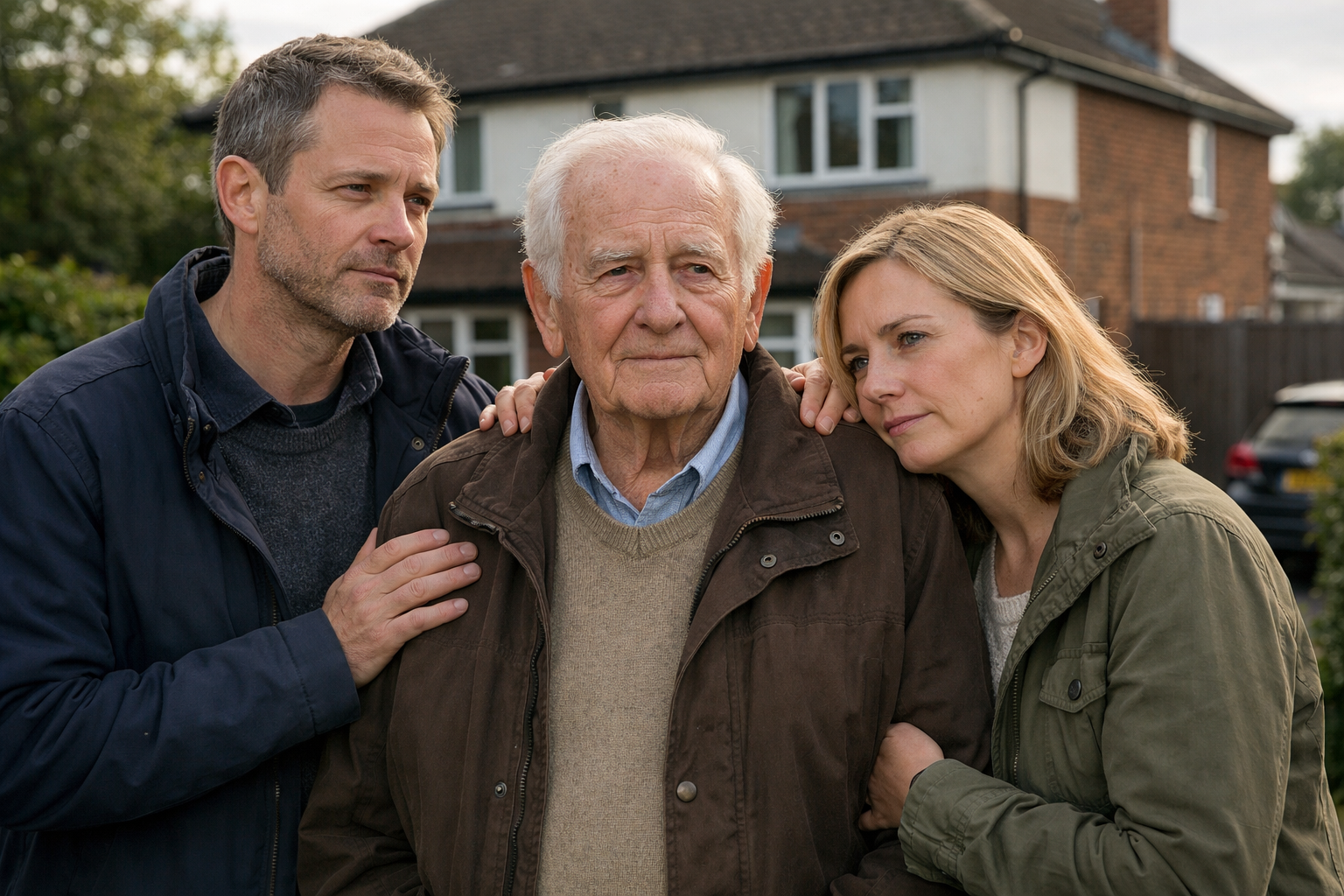
Christopher Bull from Bedfordshire never imagined his family home would be at risk. Diagnosed with dementia at 76, he assumed—like so many …
When Bob Myers was diagnosed with dementia, his children did what any family would do: they turned to the council for help. …

Most people believe the NHS will look after them in old age. Most people believe their home is safe. Most people believe …

When Jessica Jones talks about what happened to her mum, she still struggles to understand how the system could take everything her …