Skip to content
Home » News » Most Families Don’t Find This Out Until It’s Too Late

Most Families Don’t Find This Out Until It’s Too Late

  • by
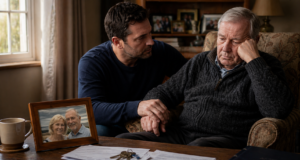
A woman being interviewed about her father’s care situation, speaking emotionally as she explains the unexpected costs of care homes, while the interviewer listens during a recorded conversation.

When a parent first needs care, most families assume one thing:

That the NHS will take care of it.

It seems logical. After all, we rely on the healthcare system throughout our lives — so why would later-life care be any different?

But for many families across England, the reality comes as a shock.

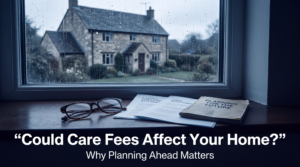
🛡️ Worried About Losing Your Home to Care Fees?

Many UK homeowners don’t realise their property can be used to pay for care fees. Get free advice before a crisis hits and protect what you’ve worked your whole life for.

Request Your Free Estate Planning Review

We Thought It Would Be Covered

When one daughter was asked what she expected when her father first needed care, her answer was simple:

“Honestly, we assumed the NHS would cover it. We thought elderly care was just part of the healthcare system.”

It wasn’t until much later — when her father’s dementia progressed — that the truth became clear.

At that point, caring for him at home was no longer safe.

And that’s when everything changed.

The Moment Everything Became Real

Like many families, they had already arranged power of attorney.

They believed this meant they could step in, organise care, and ensure everything would be handled.

But instead, they were told something very different.

Power of attorney didn’t mean funding would be provided.

It simply meant they could make decisions — including where their father would go, and that they would arrange the payments.

The Cost No One Warns You About

The care home he needed wasn’t optional — it was necessary.

But the cost?

Around £1,800 per week.

That’s over £90,000 per year.

“We were completely shocked. There was no way we could afford that ourselves.”

What Happens If You Own Your Home?

This is where many families face the hardest reality.

Because her father owned his home, the local authority assessed that the property would need to be used to fund his care.

In simple terms:

The house wasn’t protected.

It became part of the cost.

And eventually…

It had to be sold.

Why Some Families Pay — And Others Don’t

One of the most difficult parts wasn’t just the cost.

It was seeing others in the same care home, in similar situations, who weren’t paying in the same way.

They also owned homes.

But their outcomes were different.

Why?

Because they had put plans in place years earlier.

“We just didn’t know that was something you needed to do.”

The Emotional Cost

Beyond the financial impact, there’s something deeper.

“My dad worked his whole life for that home, and we always thought it would stay in the family.”

For many, it’s not just about money.

It’s about legacy. Security. And the expectation that what you’ve built will be passed on.

What Most Homeowners Over 60 Don’t Know

The truth is, many people are simply never told:

  • How care fees are assessed
  • What happens to your home
  • What options may exist to plan ahead
  • Or that planning is even something you should be doing

And by the time they find out…

It’s often too late to change the outcome.

Watch the Full Story

We’ve put together a short video that walks through this real-life scenario so you can see exactly how it unfolds.

It’s something every homeowner — especially over 60 — should understand.

A Simple Step That Could Make a Big Difference

If you own your home and want to understand what options may be available to you, it’s worth taking a few minutes now — rather than being forced into decisions later.

Because the families who avoid these situations usually have one thing in common:

They planned ahead.