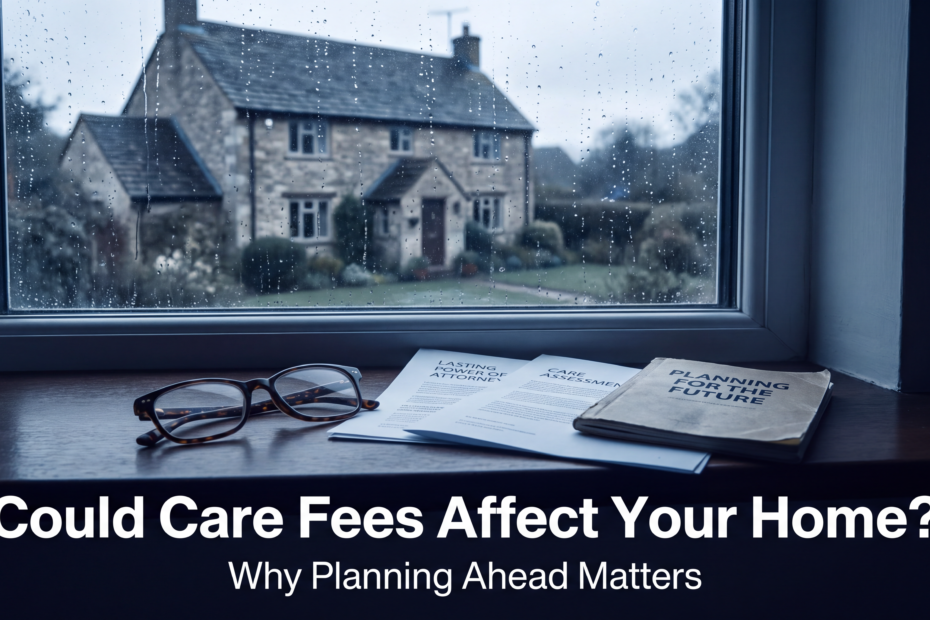
Imagine owning your own home for decades.
It is where you raised your family. Where your memories were made. The place you always thought would remain yours.
Then, one day, you can no longer live there safely.
You need care.
Many UK homeowners don’t realise their property can be used to pay for care fees. Get free advice before a crisis hits and protect what you’ve worked your whole life for.
Request Your Free Estate Planning ReviewAnd while you are receiving that care, decisions are being made about your home.
There is just one heartbreaking difference in this story.
She doesn’t know what happened to her home.
As she became older, her dementia progressed.
Eventually, it was no longer possible for her to remain living independently. She needed the support and care that her family could no longer provide at home.
So she moved into care.
At first, the family’s priority was simple: making sure she was safe and properly looked after.
But then came the question that many families find themselves facing:
This is where things became complicated.
When someone moves into care, one of the biggest questions families often have is what will happen to their property.
Many people assume that because a home has been in the family for years, it will simply remain there.
But the way care costs are assessed can be complicated, and the circumstances of each person matter.
The family home can become an important part of that conversation.
And in this case, the situation eventually led to something the family never wanted to happen.
Her home was sold.
But she doesn’t know
This is the part of the story that is perhaps hardest to comprehend.
Because of her dementia, she doesn’t fully understand what has happened.
The home that she once owned — the home connected to decades of memories — is no longer hers.
For her family, however, they know exactly what has happened.
And it has left them asking questions that many other families may one day have to face.
Could this have been avoided?
Could they have planned differently?
And, most importantly:
Why planning ahead matters
Nobody knows exactly what their circumstances will be in the future.
You may remain healthy and independent for many years.
But what happens if that changes?
What happens if you eventually need long-term care?
What happens to your home, your savings and the inheritance you hoped to leave your family?
These aren’t easy questions.
And they are questions that are often left until it is too late to properly consider the options.
By the time someone develops dementia or becomes unable to make important decisions for themselves, their ability to take part in financial and legal planning may already be severely affected.
That is why planning ahead matters.
The difficult reality is that families often don’t start thinking about these issues until something has already happened.
A diagnosis.
A fall.
A hospital admission.
A move into residential care.
By then, the options available may be very different from those that could have been considered earlier.
Planning ahead doesn’t mean that you can guarantee what will happen to your home.
It does mean that you can understand your position, understand the choices available to you and make informed decisions while you still have the ability to do so.
The story of this woman is a reminder that owning your own home doesn’t necessarily mean you will always know what happens to it.
And for families, the consequences can be emotional as well as financial.
Nobody wants to imagine a situation where a parent has worked their entire life to own a home, only for that home to become part of a much bigger care and financial decision later in life.
If you own your own home and are concerned about what could happen if you or your partner eventually need care, it may be worth finding out more about your options while you still have time to plan.
Every family’s circumstances are different, and there is no single solution that applies to everyone.
But understanding the rules and getting professional advice could help you make better-informed decisions about your future.
If you’re worried about what could happen to your home, you can request a free conversation to find out more.
This article is intended for general information and does not constitute legal or financial advice. Individual circumstances vary and professional advice should always be sought before making decisions about property, care fees or estate planning.