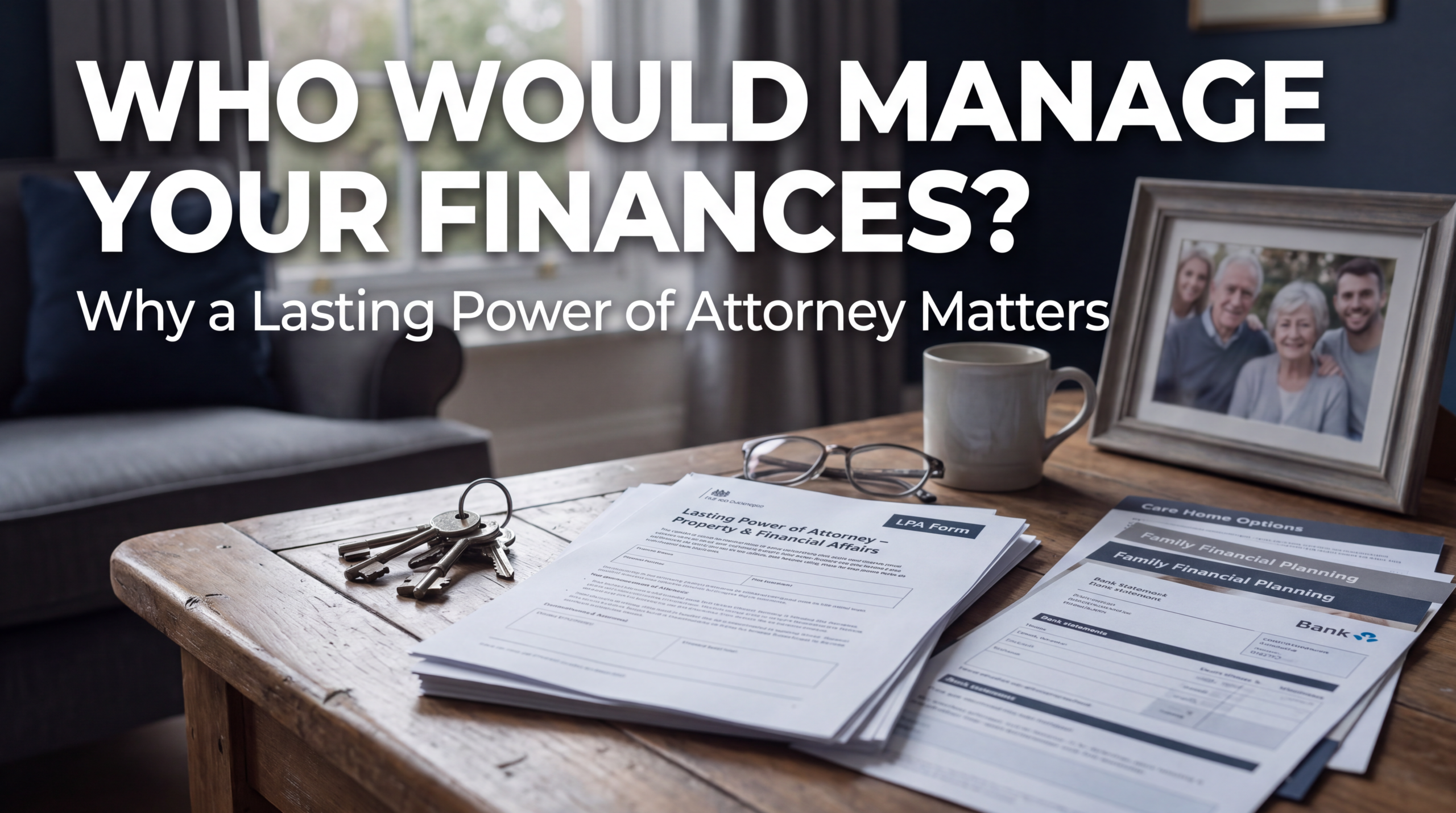
The latest UK Budget has raised serious concerns for older people and families, especially around how the UK Budget affects care fees for elderly homeowners. With no new funding for social care and rising financial pressure on local councils, many people fear that the cost of care could increase yet again.
Below is an easy-to-read explanation of what this means, why care fees may rise, and what families should be aware of going into 2025.
No New Funding for Care Fees – What This Means
Despite rising demand and increasing pressure on local councils, the Budget included no additional funding for:
Residential care homes
Nursing care
Home-care support
Dementia care
Local authority social services
This means local councils will continue to operate under extreme financial pressure. Many councils already say they cannot fund the care people need, forcing more elderly people to:
🛡️ Worried About Losing Your Home to Care Fees?
Many UK homeowners don’t realise their property can be used to pay for care fees. Get free advice before a crisis hits and protect what you’ve worked your whole life for.
Request Your Free Estate Planning ReviewPay privately for care
Sell assets or use savings
Move into debt or deferred payment plans
And for homeowners, this often means their home becomes vulnerable if they eventually require full-time care.
Why Care Fees May Increase Again
Care fees in the UK have risen sharply in the past decade — many regions now average £5,000 to £6,000 per month, with nursing care even higher.
Here’s why costs are likely to rise again:
1. Rising staffing and recruitment costs
Care providers are struggling to recruit staff. Wage increases, shift shortages, and training requirements all raise provider costs — which are passed on to residents.
2. Increased National Insurance and business costs
In the Budget, there are employer-related cost increases that care providers must absorb. When care homes face higher operational expenses, fees rise.
3. No care-fee cap — still cancelled
The previous government proposed a cap limiting how much anyone would pay for care.
This was cancelled.
This Budget did not reinstate it.
That means no limit to what an elderly person might have to pay.
4. Frozen care-funding thresholds
The financial thresholds that determine whether someone qualifies for council support have not been increased.
This means more people will be classed as “self-funders” — paying full care fees themselves, including property value.
5. Increased pressure on local councils
With no extra funding, councils say they have no choice but to:
Cut services
Tighten eligibility
Increase charges
These factors combined show clearly how the UK Budget affects care fees for elderly homeowners: costs are more likely to rise, and more people will be forced to pay privately.
What This Means for Older Homeowners
The ongoing lack of support means:
More people may lose their homes to pay for long-term care
Elderly homeowners will continue shouldering the full financial burden
Families may face uncertainty about future inheritance
People diagnosed with dementia or mobility issues could face extremely high lifetime costs
The Budget offers no protection, no reform, and no relief for people worried about care fees.
Why Planning Ahead Matters More Than Ever
With care fees rising and no government cap on costs, families are increasingly looking at:
Wills
Trusts
Tenants-in-Common arrangements
Lasting Powers of Attorney
Protective estate-planning strategies
Planning early can ensure that your home and lifetime savings are better protected if care is ever needed.
A Son’s Story of Dementia, Loss, and a System That Took It All My dad, David Scott, is 62 years old. If …
When a parent first needs care, most families assume one thing: That the NHS will take care of it. It seems logical. …
Christopher Bull from Bedfordshire never imagined his family home would be at risk. Diagnosed with dementia at 76, he assumed—like so many …
When Bob Myers was diagnosed with dementia, his children did what any family would do: they turned to the council for help. …
Most people believe the NHS will look after them in old age. Most people believe their home is safe. Most people believe …
When Jessica Jones talks about what happened to her mum, she still struggles to understand how the system could take everything her …