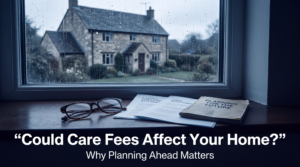
In a concerning trend, local councils are increasingly scrutinizing cases where elderly care home residents have gifted property to their children, potentially to sidestep care fees. This practice, termed as “Gifting Property to Avoid Care Fees,” has caught the attention of authorities grappling with budget constraints. Despite genuine intentions behind these gifts, councils are demanding reimbursement, alleging a deliberate attempt to diminish assets for financial assistance in care. The situation has sparked a heated debate on the ethicality and legality of such actions.
Investigations are being initiated by councils, even if the property transfers occurred years before the need for care arose. This phenomenon, known as “deprivation of assets,” is perceived as a means to reduce an individual’s wealth below the threshold for receiving financial support for care expenses. While authorities argue that their scrutiny is warranted to safeguard public funds, watchdogs have criticized several councils for baseless assumptions and lack of evidence to support claims of deliberate asset reduction.
In a notable case, Cornwall Council pursued a 91-year-old man who had gifted property to his family, including contributions towards his grandson’s wedding and house purchase, as well as funding his son-in-law’s medical treatment abroad. Despite no clear evidence suggesting deliberate asset reduction, the council alleged that the gifts were intended to deplete the man’s assets.
Another instance involved a man in his late 70s who had given his son £25,000 to invest in property development before requiring care due to health issues. Gloucestershire County Council pursued to reclaim the gifted amount.
🛡️ Worried About Losing Your Home to Care Fees?
Many UK homeowners don’t realise their property can be used to pay for care fees. Get free advice before a crisis hits and protect what you’ve worked your whole life for.
Request Your Free Estate Planning ReviewWhile cautioning against hastily transferring assets to avoid care costs, Owain Wright of Care Funding Guidance underscores the potential repercussions, including limited accommodation options in later years. The practice of “Gifting Property to Avoid Care Fees” continues to be a contentious issue, highlighting the need for clearer guidelines and fair assessments by councils in such matters.
Quick Queries? We've Got Quick Answers
The consequences of gifting property to avoid care fees
It’s essential to recognize that gifting assets to individuals with the intention of avoiding fees and taxes is not only ethically questionable but also illegal. Across the UK, there have been hundreds of cases where councils have taken legal action against recipients of such gifts. In these cases, councils have successfully sued recipients and reclaimed property to cover care costs incurred by departed relatives. This legal recourse underscores the gravity of attempting to circumvent financial responsibilities through asset gifting, emphasizing the importance of adhering to legal and ethical standards in financial matters.
Protecting your assets legally
Five Estate Planning Mistakes That Could Cost Your Family Thousands
Most people spend years building wealth, paying off mortgages, saving...
Read MoreHow to Leave More to Your Children Without Breaking the Rules
Most parents want the same thing when it comes to...
Read MoreThe Hidden Cost of Dying Without a Will
Many people assume that when they die, their money, property,...
Read MoreSecond Marriages and Estate Planning: What Families Need to Know
Second marriages are increasingly common across the UK, bringing happiness,...
Read MoreWhat Keir Starmer’s Resignation Could Mean for Older Brits: Pensions, NHS & Care Explained
The Good, The Bad, and What to Watch Next When...
Read MoreCare Home Fee Planning: How to Prepare for Future Care Costs in the UK
Planning for future care needs is an important part of...
Read More