

Yesterday, Prime Minister Andy Burnham announced plans for a National Care Service, with personal care eventually becoming free at the point of use.
It sounds like a major change.
But there are some very important details pensioners need to understand.
WHAT ABOUT CARE FEES TODAY?
The new system isn’t in place yet.
🛡️ Worried About Losing Your Home to Care Fees?
Many UK homeowners don’t realise their property can be used to pay for care fees. Get free advice before a crisis hits and protect what you’ve worked your whole life for.
Request Your Free Estate Planning ReviewBurnham says the National Care Service will be established in the next Parliament.
The current Parliament first met in July 2024 and, unless an early election is called, it can run until July 2029. The latest possible date for the following general election is August 2029.
So the proposed new care system could still be years away.
Until then, today’s care-fee rules remain today’s care-fee rules.
In England, if someone needs residential care and has capital above £23,250, they can be required to pay the full cost of their care from their resources.
And depending on the circumstances, the value of their home can be taken into account.
That means someone who has spent a lifetime working, saving and paying off their mortgage can potentially see a substantial amount of their wealth used towards their care.
People with much lower levels of capital receive considerably more help from the state.
BUT THERE'S ANOTHER BIG PART OF THE ANNOUNCEMENT — YOUR STATE PENSION
Burnham also announced plans to change the Triple Lock from April 2030.
At the moment, the State Pension rises by whichever is highest:
🔹 Inflation
🔹 Average earnings
🔹 2.5%
The current Triple Lock will remain in place until April 2030.
After that, the Government plans to change the system so the pension will still rise by at least inflation or 2.5%, while a new mechanism will maintain its value relative to earnings over time.
The Government estimates that this change could reduce State Pension spending by around £15 BILLION A YEAR by the end of the 2030s, compared with continuing the existing Triple Lock.
That isn’t £15 billion being directly taken out of pensioners’ bank accounts.
But it does mean pensioners collectively would receive less than they would have received if the existing Triple Lock continued unchanged.
And those savings are intended to help fund the proposed National Care Service.
AND THIS IS WHERE THINGS GET INTERESTING...
We’ve heard major promises about fixing social care before.
In 2021, the Government announced an £86,000 lifetime cap on care costs.
It was supposed to begin in 2023.
It was delayed until 2025.
Then, in July 2024, the reforms were cancelled altogether.
Now we have another major promise:
A National Care Service.
But it isn’t being introduced today.
The Government says it will be introduced in the next Parliament, in phases, with further recommendations on exactly how and when it will be built up.
So will this new system happen exactly as announced?
Nobody knows yet.
What we do know is that until any new system actually comes into force, the current care-fee rules continue to apply.
So if you’re over 60 and own your home, don’t assume yesterday’s announcement means you can forget about care fees.
Your home, savings and State Pension are affected by decisions being made today — not just promises about what might happen in the future.
Find out how the current care system works and what options may be available to you and your family.
Read what happened Imagine being in your eighties and suddenly finding that your children can no longer help you manage your own …
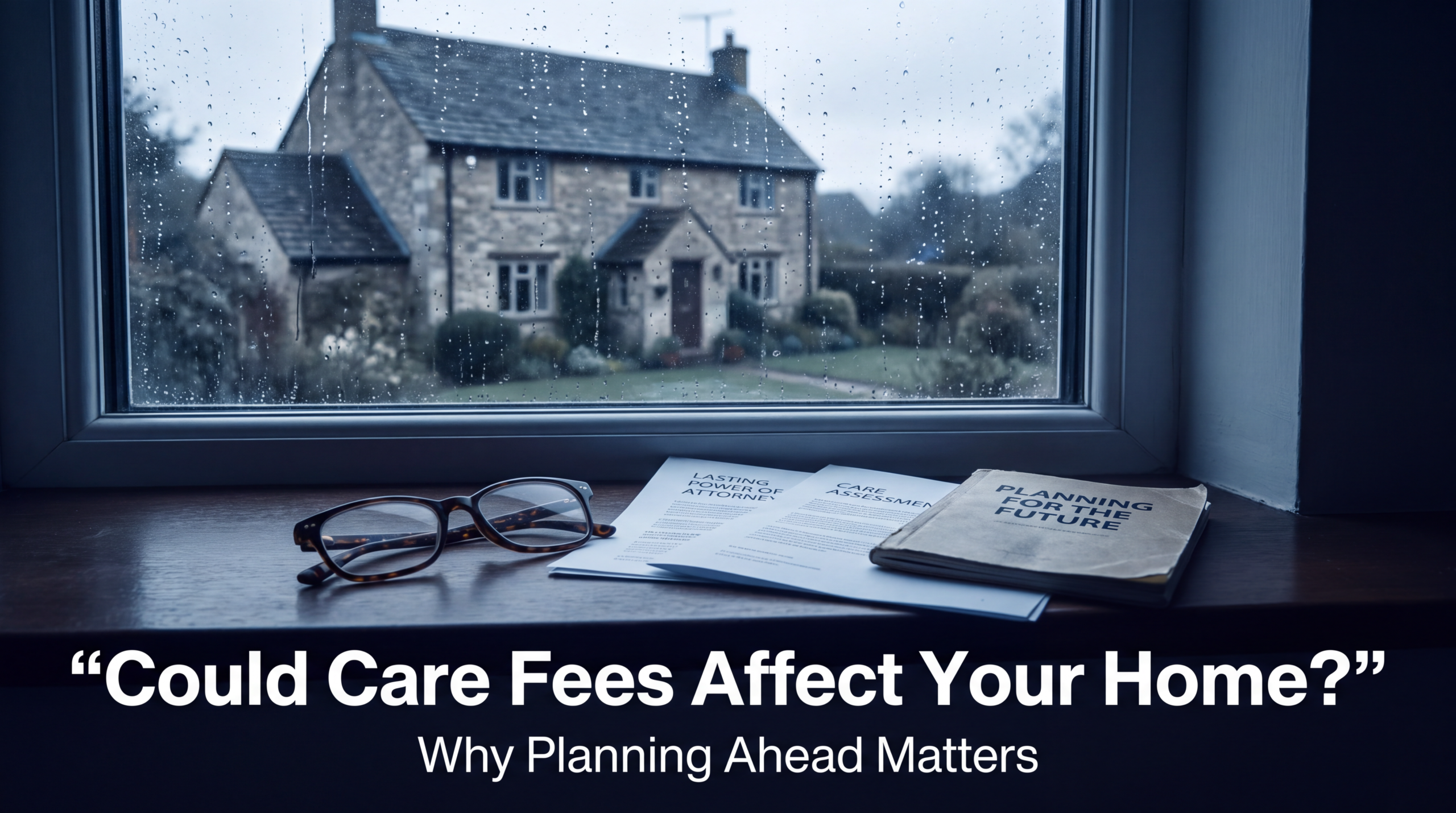
Dementia meant she needed care. What happened next is a story every homeowner should know. Imagine owning your own home for decades. …
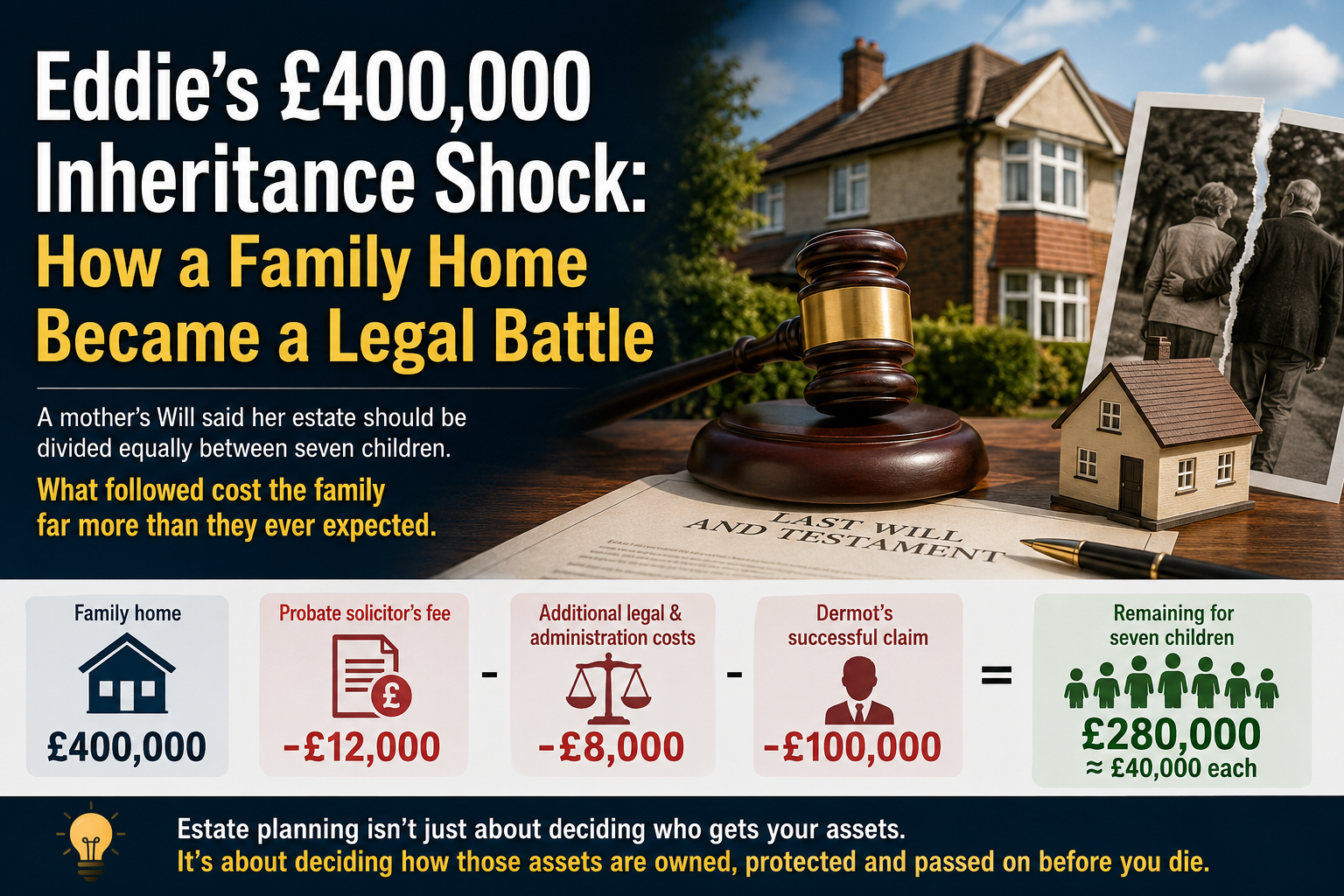
When Eddie Winn’s mother died, he thought her wishes were perfectly clear. Mary had left a Will stating that her estate should …
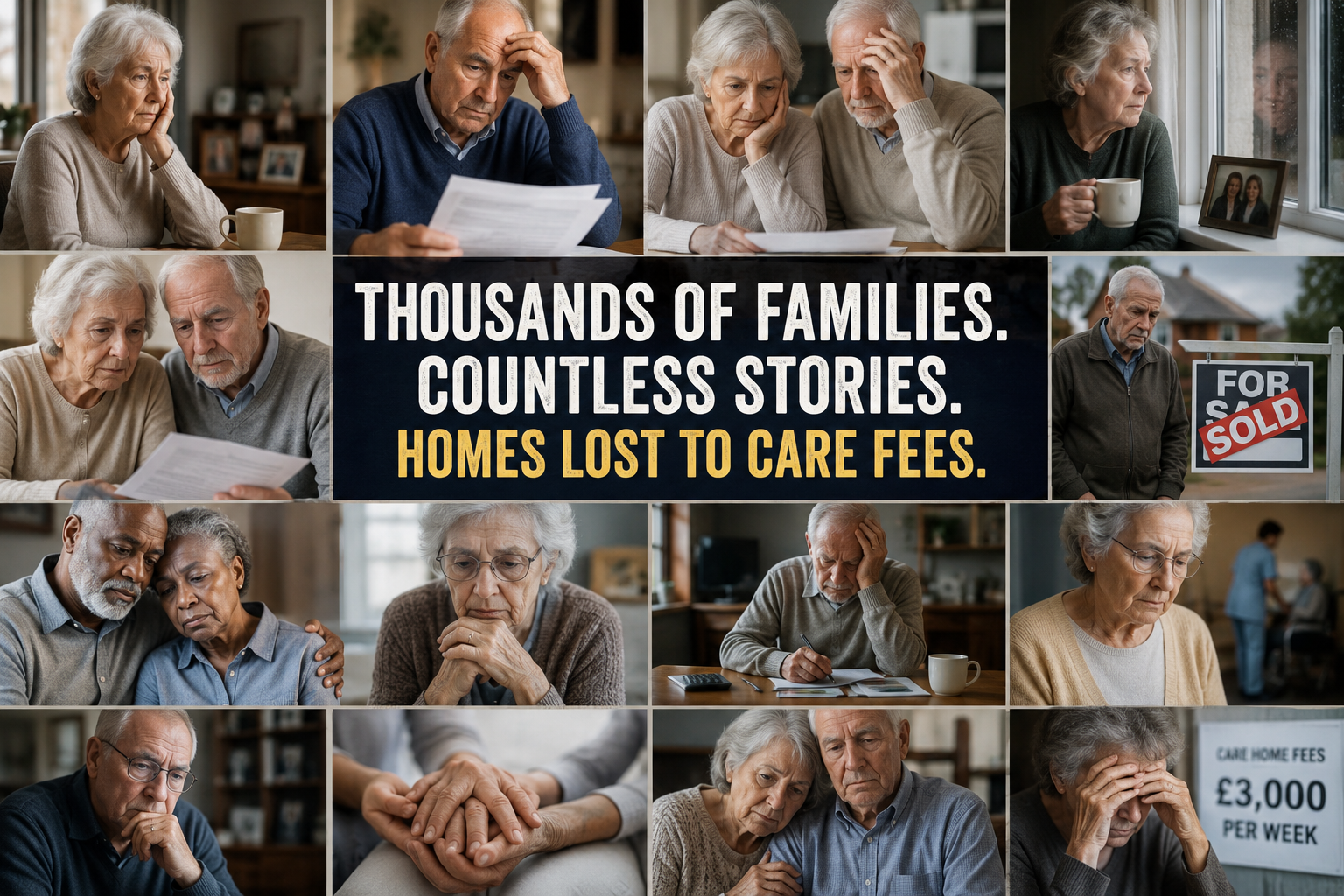
Roy and Shirley Sharp. David Mosley. Kath Pearson. Three families. Three heartbreaking stories. One common theme. All found themselves facing the devastating …
A Son’s Story of Dementia, Loss, and a System That Took It All My dad, David Scott, is 62 years old. If …
When a parent first needs care, most families assume one thing: That the NHS will take care of it. It seems logical. …
