Skip to content
Home » News » Renting vs Owning in Retirement

Renting vs Owning in Retirement

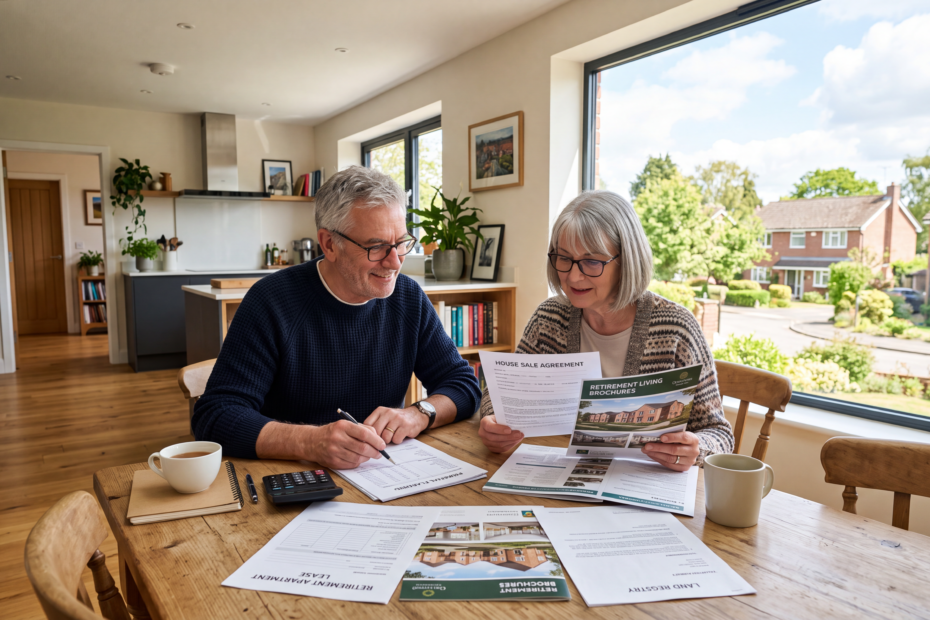
Retired couple comparing housing options while reviewing financial documents in their living room

Where you live can have a significant impact on your finances, lifestyle, and independence during retirement. Some people enjoy the security of owning their home, while others prefer the flexibility that renting can offer.

There is no one-size-fits-all answer. The right choice depends on your financial situation, health, future plans, and personal preferences.

In this guide, we’ll compare renting and owning in retirement, looking at the advantages and disadvantages of each to help you decide which option may suit your circumstances.

Why Your Housing Choice Matters

Housing is often one of the biggest financial commitments in retirement.

🛡️ Worried About Losing Your Home to Care Fees?

Many UK homeowners don’t realise their property can be used to pay for care fees. Get free advice before a crisis hits and protect what you’ve worked your whole life for.

Request Your Free Estate Planning Review

Your decision can affect:

  • Your monthly expenses.
  • Your ability to maintain your home.
  • Your financial security.
  • Your lifestyle.
  • Your future care options.
  • The legacy you leave to your family.

Taking time to review your options can help you make an informed decision.

The Benefits of Owning Your Home

For many retirees, owning a home provides a sense of stability and independence.

Some of the advantages include:

  • No rent to pay if your mortgage has been cleared.
  • Greater control over your property.
  • The freedom to decorate or make improvements.
  • The opportunity to build equity over time.
  • The ability to leave your property to loved ones as part of your estate.

Home ownership can also provide reassurance for people who plan to remain in the same property for many years.

The Challenges of Home Ownership

Owning a property also comes with responsibilities.

You may need to budget for:

  • Home maintenance.
  • Repairs.
  • Building insurance.
  • Council Tax.
  • Utility bills.
  • Gardening and exterior upkeep.

As you get older, maintaining a larger property may become more physically demanding and financially costly.

The Benefits of Renting

Renting may suit retirees who want greater flexibility or who no longer wish to manage a property.

Some advantages include:

  • Fewer maintenance responsibilities.
  • Greater flexibility if you decide to move.
  • No need to budget for major structural repairs.
  • Easier access to smaller or more accessible properties.
  • The opportunity to live closer to family or local services.

For some people, renting can reduce the stress associated with property ownership.

The Challenges of Renting

Although renting offers flexibility, there are also factors to consider.

These may include:

  • Monthly rent payments throughout retirement.
  • Potential rent increases.
  • Less control over the property.
  • Restrictions on decorating or making alterations.
  • The possibility of needing to move if the tenancy ends.

It’s important to consider how ongoing rental costs fit within your retirement budget.

Financial Considerations

Before deciding whether to rent or own, review your overall financial situation.

Ask yourself:

  • What is my monthly retirement income?
  • Can I comfortably afford housing costs?
  • Do I have savings for unexpected expenses?
  • Would selling my home improve my financial security?
  • Am I likely to need care or support in the future?

Answering these questions can help you choose the option that best suits your needs.

Should You Downsize?

Some homeowners decide to move to a smaller property during retirement.

Downsizing may:

  • Reduce household bills.
  • Lower maintenance costs.
  • Release equity from your home.
  • Provide a property that is easier to manage.
  • Improve accessibility.

However, moving also involves costs, so it’s worth considering the financial impact before making a decision.

Thinking About Future Care

Your housing choice should also take future care needs into account.

Consider:

  • Whether your home can be adapted if your mobility changes.
  • How close you are to healthcare services.
  • Whether family members can easily visit.
  • Access to shops and public transport.
  • The cost of maintaining your property if your health changes.

Planning ahead can help you remain independent for longer.

Questions to Ask Yourself

If you’re unsure whether renting or owning is right for you, ask yourself:

  • Am I happy maintaining my current home?
  • Could I comfortably afford rent if I chose to move?
  • Would I benefit from living in a smaller property?
  • Is my current home suitable for later life?
  • Do I want to leave my property to my family?
  • Would moving improve my quality of life?

There is no right or wrong answer—only the option that best fits your circumstances.

Common Mistakes to Avoid

When making housing decisions in retirement, try to avoid:

  • Making a rushed decision after a major life event.
  • Focusing only on current costs instead of future expenses.
  • Underestimating maintenance costs.
  • Ignoring accessibility needs.
  • Forgetting moving costs and legal fees.
  • Failing to review your long-term financial plan.

Taking professional financial or legal advice can help if you’re making a significant decision.

How Later Living Help Line Can Help

At Later Living Help Line, we provide practical guidance to help you make informed decisions about retirement, housing, estate planning, and later-life finances. Whether you’re considering downsizing, planning for future care, or reviewing your financial options, we’re here to help you plan with confidence.