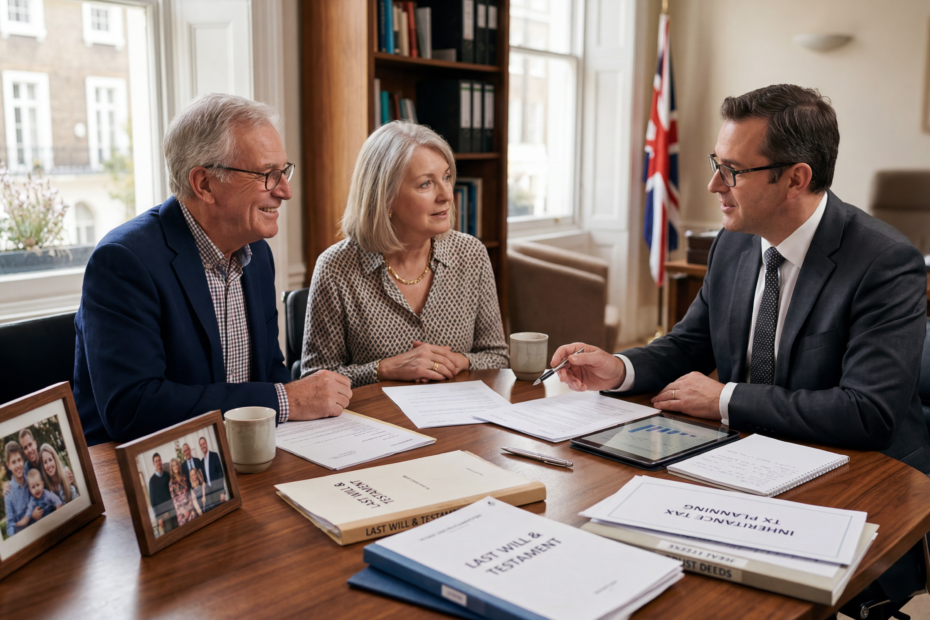
Most parents want the same thing when it comes to their estate: to leave as much as possible to their children and loved ones.
However, many families are concerned that inheritance tax, rising property values, and poor planning could reduce the amount their children eventually receive.
The good news is that there are legal and legitimate ways to structure your affairs that may help preserve more of your estate for future generations. The key is understanding your options and planning ahead.
Why Planning Early Matters
One of the biggest mistakes people make is assuming estate planning is only necessary for the very wealthy.
🛡️ Worried About Losing Your Home to Care Fees?
Many UK homeowners don’t realise their property can be used to pay for care fees. Get free advice before a crisis hits and protect what you’ve worked your whole life for.
Request Your Free Estate Planning ReviewIn reality, many ordinary families now have estates that include a family home, savings, investments, life insurance policies, and pension assets. When these are combined, the total value can be significantly higher than expected.
By planning early, you may have more opportunities available to protect family wealth and reduce unnecessary tax liabilities.
Make Sure You Have a Valid Will
A professionally drafted will is often the foundation of a good estate plan.
Without a will, your estate will be distributed according to the Rules of Intestacy, which may not reflect your wishes.
A will allows you to decide who inherits your assets, appoint guardians for young children, and ensure your estate is distributed in the way you intend.
Consider Making Lifetime Gifts
Giving assets away during your lifetime can be one of the most effective ways to reduce the value of your estate.
There are several gifting allowances available, and certain gifts may fall outside your estate for inheritance tax purposes if you survive for a specified period after making them.
However, gifting rules can be complex, and professional advice should always be sought before transferring significant assets.
Review Your Pension and Beneficiary Nominations
Many people focus on property and savings while overlooking pension arrangements.
Pensions can form a significant part of family wealth, and it is important to ensure beneficiary nominations are up to date and reflect your current wishes.
Regular reviews can help ensure assets pass to the intended beneficiaries.
Trusts May Be Worth Exploring
For some families, trusts can form part of a wider estate planning strategy.
Trusts may help protect assets, provide greater control over how wealth is passed on, and support future generations.
However, trusts are not suitable for everyone, and the right solution depends on your individual circumstances and objectives.
Protect Against Future Family Disputes
Inheritance planning is not only about reducing tax.
Clear planning can also help minimise the risk of family disagreements after your death.
By documenting your wishes properly and communicating with family members where appropriate, you can reduce uncertainty and help avoid unnecessary conflict.
Don't Leave Planning Until It's Too Late
Many inheritance planning opportunities are more effective when implemented well in advance.
Waiting until later life or until health concerns arise can limit the options available and may create additional complications.
Taking action sooner rather than later can provide greater flexibility and peace of mind.
The Importance of Professional Advice
Every family situation is different.
What works for one family may not be suitable for another. Factors such as property ownership, family circumstances, business interests, pensions, and future care considerations all play a role in determining the most appropriate strategy.
Professional estate planning advice can help ensure your arrangements are both effective and compliant with current regulations.