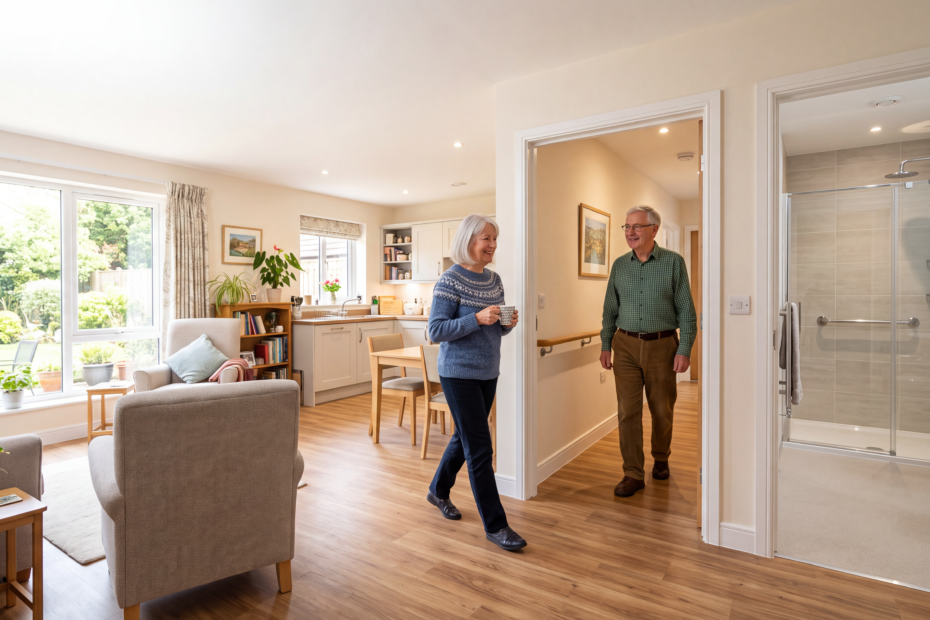
Most people want to stay in their own home for as long as possible. Home is familiar, comfortable, and full of memories, so it’s no surprise that many older adults prefer to remain there rather than move elsewhere.
The good news is that simple home adaptations can make everyday life safer, easier, and more comfortable. Many improvements are affordable and can help reduce the risk of falls, increase confidence, and support independent living.
In this guide, we’ll explore some of the most effective home adaptations that can help you stay independent for longer.
Why Home Adaptations Matter
As we get older, everyday tasks can become more challenging. Stairs may feel steeper, bathrooms can become slippery, and reaching high cupboards may become difficult.
🛡️ Worried About Losing Your Home to Care Fees?
Many UK homeowners don’t realise their property can be used to pay for care fees. Get free advice before a crisis hits and protect what you’ve worked your whole life for.
Request Your Free Estate Planning ReviewMaking small changes to your home can help you:
- Reduce the risk of falls.
- Improve mobility.
- Stay independent for longer.
- Make everyday tasks easier.
- Feel more confident at home.
- Support carers and family members if assistance is needed.
Planning ahead means you can make improvements before they become essential.
Improve Bathroom Safety
The bathroom is one of the most common places for accidents in the home.
Simple adaptations include:
- Grab rails beside the toilet and shower.
- Non-slip flooring or anti-slip mats.
- A walk-in shower instead of a bath.
- A shower seat.
- Raised toilet seats.
- Lever-style taps that are easier to use.
These changes can make bathing safer and more comfortable.
Make Stairs Easier to Use
If stairs are becoming difficult, there are several ways to improve safety.
Consider:
- Strong handrails on both sides.
- Brighter lighting.
- Non-slip stair coverings.
- Clearly marked step edges.
- Stairlifts where appropriate.
Regularly checking that carpets are secure can also help prevent trips.
Improve Lighting Throughout the Home
Good lighting is essential for reducing accidents.
Helpful improvements include:
- Brighter LED bulbs.
- Motion-sensor lights in hallways.
- Night lights in bedrooms and bathrooms.
- Outdoor security lighting.
- Easy-to-reach light switches.
A well-lit home makes it easier to move around safely at any time of day.
Reduce Trip Hazards
Small obstacles can become significant risks.
Take time to:
- Remove loose rugs.
- Secure electrical cables.
- Keep walkways clear.
- Repair uneven flooring.
- Store frequently used items within easy reach.
Regular decluttering can also make your home easier to navigate.
Adapt the Kitchen
The kitchen should be practical as well as safe.
Useful adaptations include:
- Pull-out shelves.
- Easy-grip cupboard handles.
- Lever taps.
- Adjustable worktops where appropriate.
- Appliances with clear controls.
- Frequently used items stored at waist height.
Simple changes can reduce unnecessary bending and stretching.
Make Doors Easier to Use
If opening doors has become difficult, consider:
- Lever door handles.
- Wider doorways for mobility aids.
- Lightweight internal doors.
- Automatic door openers in some situations.
These adaptations can improve accessibility throughout your home.
Consider Smart Home Technology
Modern technology can support independent living.
Examples include:
- Video doorbells.
- Smart lighting.
- Voice-controlled assistants.
- Medication reminder devices.
- Personal emergency alarms.
- Smart heating controls.
These devices can provide reassurance for both you and your family.
Improve Access to Your Home
Getting in and out of your property safely is just as important.
You may benefit from:
- Handrails by the front door.
- Ramps instead of steps.
- Wider pathways.
- Better outdoor lighting.
- Non-slip surfaces.
- Accessible thresholds.
Improving access can make everyday life much easier.
Make the Bedroom More Comfortable
Your bedroom should be easy to use and comfortable.
Helpful changes may include:
- An adjustable bed.
- Bedside lighting within easy reach.
- Raised beds if needed.
- Clear pathways around furniture.
- A chair for dressing.
A well-organised bedroom can improve both safety and comfort.
Think About Future Needs
Even if you’re currently active and independent, planning ahead can save time and money later.
Ask yourself:
- Will this home meet my needs in 10 years?
- Could small changes help me stay here longer?
- Are there areas that may become difficult to use?
Making gradual improvements is often easier than carrying out major adaptations during a health crisis.
Can Financial Help Be Available?
Depending on your circumstances, you may be eligible for financial assistance towards certain home adaptations.
Support may be available through local authorities or other organisations for eligible individuals.
Before arranging major work, it’s worth checking whether you qualify for any grants or assistance.
Common Mistakes to Avoid
Avoid these common mistakes:
- Waiting until after an accident to make changes.
- Ignoring poor lighting.
- Leaving loose rugs in place.
- Buying equipment without professional advice.
- Overlooking outdoor safety.
- Forgetting to review your home as your needs change.
Small improvements made early can have a lasting impact.
How Later Living Help Line Can Help
At Later Living Help Line, we provide practical information to help older adults make informed decisions about later life. Whether you’re planning for future care, exploring ways to remain independent, or organising your finances and estate plans, we’re here to support you every step of the way.