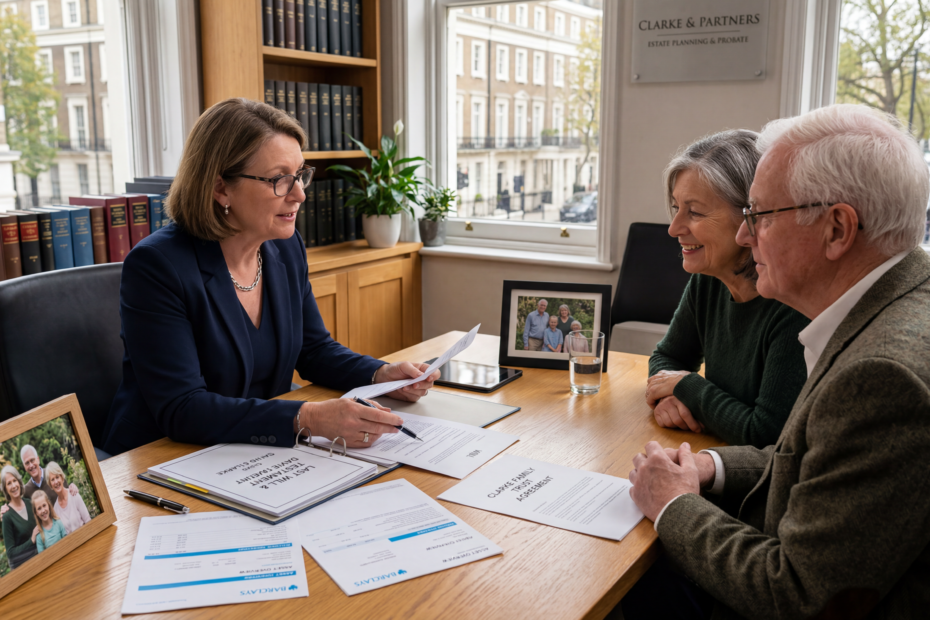
Most people spend years building wealth, paying off mortgages, saving for retirement, and providing for their families. Yet many fail to put the right estate planning arrangements in place to protect everything they have worked so hard to achieve.
The consequences can be significant. Poor planning can lead to unnecessary inheritance tax, lengthy delays, family disputes, and assets ending up in the wrong hands.
Here are five of the most common estate planning mistakes that could cost your family thousands.
1. Not Having a Will
This remains one of the biggest and most costly mistakes people make.
🛡️ Worried About Losing Your Home to Care Fees?
Many UK homeowners don’t realise their property can be used to pay for care fees. Get free advice before a crisis hits and protect what you’ve worked your whole life for.
Request Your Free Estate Planning ReviewWithout a valid will, your estate will be distributed according to the Rules of Intestacy rather than your personal wishes. This can create unexpected outcomes, particularly for unmarried couples, blended families, and those who wish to leave assets to friends, stepchildren, or charities.
A professionally drafted will gives you control over who inherits your estate and can help provide certainty for your loved ones.
2. Failing to Update an Existing Will
Creating a will is important, but it should not be treated as a one-time task.
Major life events such as marriage, divorce, the birth of grandchildren, property purchases, or changes in financial circumstances may mean your will no longer reflects your wishes.
An outdated will can be almost as problematic as having no will at all.
Regular reviews help ensure your estate plan remains appropriate and effective.
3. Ignoring Inheritance Tax Planning
Many people assume inheritance tax only affects the very wealthy.
However, rising property values, pensions, savings, and investments mean more families are becoming affected than ever before.
Failing to consider inheritance tax planning could result in a substantial portion of your estate being lost unnecessarily.
Seeking professional advice may help identify opportunities to structure your affairs more efficiently while remaining fully compliant with current regulations.
4. Forgetting About Beneficiary Nominations
Not all assets pass through your will.
Pensions, life insurance policies, and certain investment products often rely on separate beneficiary nominations.
Many people set these up years earlier and never review them again.
As a result, assets may pass to former partners or unintended beneficiaries.
Regularly reviewing nominations is an important part of maintaining an effective estate plan.
5. Leaving Planning Until It's Too Late
One of the most expensive mistakes is delaying estate planning altogether.
Many planning opportunities work best when implemented well in advance. Waiting until health concerns arise or a crisis occurs can significantly limit your options.
Early planning provides greater flexibility, allows informed decision-making, and can help reduce stress for both you and your family.
Why Estate Planning Is About More Than Tax
While reducing unnecessary tax is often a goal, estate planning is ultimately about protecting the people you care about.
Good planning can help prevent family disputes, ensure your wishes are respected, provide financial security for loved ones, and make the administration of your estate easier after your death.
The peace of mind that comes from having clear arrangements in place is often just as valuable as any financial benefit.