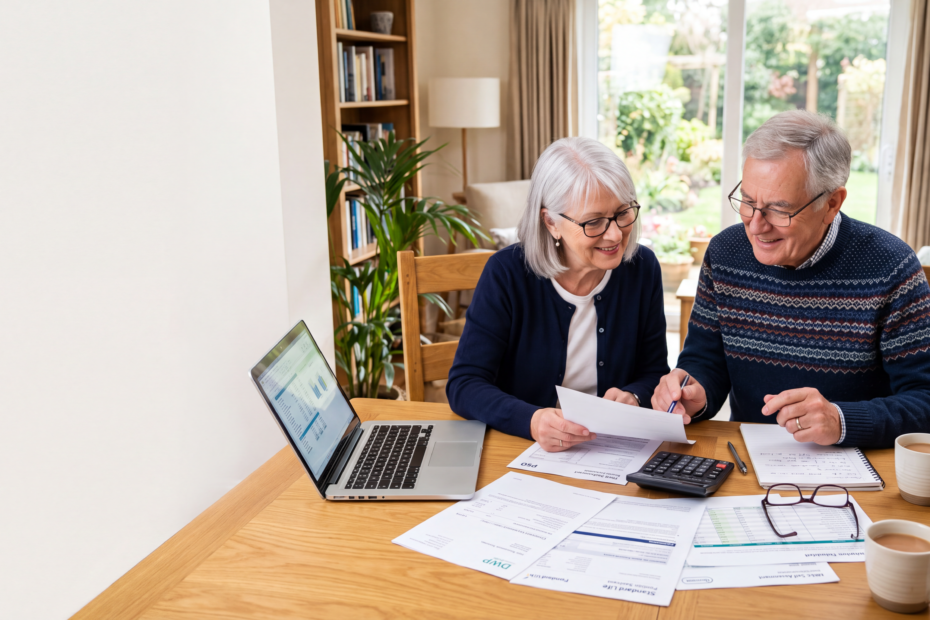
Many people assume that once they retire, they no longer have to pay Income Tax. However, retirement does not automatically mean your tax bill disappears.
The amount of Income Tax you pay depends on how much taxable income you receive each year, not your age. Some pensioners pay no Income Tax at all, while others may pay tax on part of their retirement income.
This guide explains when pensioners pay Income Tax, what income is taxable, and how you can make sure you’re paying the correct amount.
Yes, some pensioners do pay Income Tax.
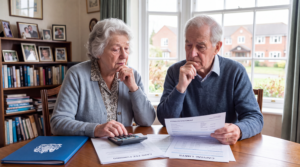
Many UK homeowners don’t realise their property can be used to pay for care fees. Get free advice before a crisis hits and protect what you’ve worked your whole life for.
Request Your Free Estate Planning ReviewYour age does not determine whether you pay tax. Instead, it depends on whether your total taxable income is above your Personal Allowance.
Your taxable income may include:
If your total taxable income exceeds your Personal Allowance, you may have to pay Income Tax on the amount above that threshold.
Yes.
Although the State Pension is paid without tax being deducted, it is still considered taxable income.
If the State Pension is your only source of income and it falls below your Personal Allowance, you will usually have no Income Tax to pay.
However, if you also receive other taxable income, the State Pension counts towards your total taxable income.
Yes.
Income from workplace pensions and private pensions is generally taxable.
In many cases, pension providers deduct Income Tax through the Pay As You Earn (PAYE) system before making payments.
If you receive more than one pension, it’s important to check that the correct tax code is being used.
Some types of income may not be taxable.
Examples can include:
Whether tax applies depends on your individual financial situation.
The Personal Allowance is the amount of taxable income you can usually receive before paying Income Tax.
The allowance can change, so it’s important to check the latest figures each tax year.
If your income exceeds your available allowance, Income Tax may be payable on the amount above it.
Many people continue working after reaching retirement age.
If you receive:
all of these may be taken into account when calculating your Income Tax liability.
Working during retirement does not automatically mean you’ll pay more tax, but your total taxable income will determine how much tax is due.
It’s worth reviewing your tax position each year.
Check:
If something doesn’t look right, contact HMRC or seek professional advice.
Correcting mistakes early may prevent underpayments or overpayments.
Good financial organisation can make retirement much easier.
Consider:
These simple steps can help you stay in control of your finances.
“Pensioners don’t pay tax.”
Not always. Some pensioners pay Income Tax if their taxable income exceeds their Personal Allowance.
“The State Pension is tax-free.”
The State Pension is taxable, although tax is not usually deducted before it is paid.
“I only have one pension, so I don’t need to check my tax.”
It’s still worth checking your tax code regularly to ensure you’re paying the correct amount.
“Retirement means I no longer need to think about tax.”
Reviewing your finances each year can help you avoid mistakes and make informed financial decisions.
Managing your finances in retirement can feel complicated, especially if you receive income from several sources.
At Later Living Help Line, we provide straightforward guidance on retirement planning, pensions, estate planning, care funding, and later-life finances, helping you make informed decisions with confidence.