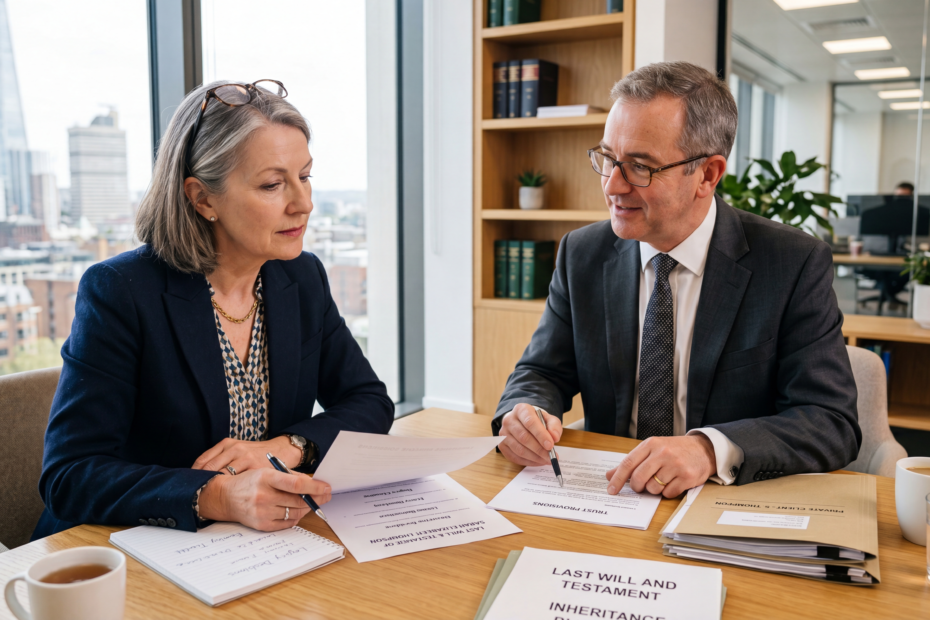
Estate planning is often associated with passing wealth to children, but what happens if you don’t have any?
Many people in the UK without children assume their assets will automatically go to a partner, siblings, or close friends. Unfortunately, this is not always guaranteed unless you have a properly prepared estate plan.
Without clear instructions, your estate will be distributed according to intestacy rules, which may not reflect your wishes at all.
This guide explains how estate planning works when you have no children, and how you can take control of who inherits your assets.
Many UK homeowners don’t realise their property can be used to pay for care fees. Get free advice before a crisis hits and protect what you’ve worked your whole life for.
Request Your Free Estate Planning ReviewIf you die without a will and have no children, the law follows a strict order of inheritance:
If no eligible relatives can be found, your entire estate may pass to the Crown (the government).
This means close friends, unmarried partners, or charities you care about could receive nothing unless you name them in a will.
People without children often have more flexibility—but also more risk if they do nothing.
Without a plan, you could unintentionally:
Estate planning ensures your assets go exactly where you want them to go.
If you don’t have children, you can choose from a wider range of beneficiaries, including:
1. Your Partner (Married or Unmarried)
2. Siblings, Nieces, and Nephews
Many people choose to pass wealth to extended family members such as:
3. Close Friends
Friendships often last a lifetime, but legally they are not recognised without a will. You can leave:
4. Charities
Charitable giving is increasingly common in estate planning.
You can:
Charitable gifts may also reduce Inheritance Tax liability.
Executors are responsible for managing your estate after you die.
If you have no children, it becomes even more important to choose carefully. You may appoint:
Executors should be:
Yes — arguably even more so.
A will allows you to:
Without a will, the law makes these decisions for you.
1. Assuming a partner will automatically inherit everything
Unmarried partners often have no automatic rights.
2. Not updating a will after major life changes
Relationships, finances, and wishes change over time.
3. Forgetting to include friends or charities
If they are not named, they will not inherit.
4. Not appointing a clear executor
This can delay estate administration significantly.
Estate planning is not just about “who gets what”—it can also affect tax.
If your estate exceeds the UK Inheritance Tax threshold, planning becomes essential.
Options may include:
Proper planning helps ensure more of your estate goes to the people or causes you choose.
At Later Living Help Line, we help individuals understand how to plan their estate in a way that reflects their personal circumstances—whether they have children or not.
We provide clear guidance on: