Skip to content
Home » News » Hugh Kirsch Story: Pensioner with severe learning disabilities could face eviction over care costs dispute

Hugh Kirsch Story: Pensioner with severe learning disabilities could face eviction over care costs dispute

  • by
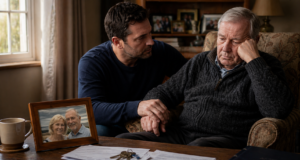
The Hugh Kirsch Story showing a pensioner with severe learning disabilities at risk of eviction due to care costs dispute in the UK.

The Hugh Kirsch Story, first published in The Guardian by Patrick Butler, Social Policy Editor, highlights one of a growing number of evictions faced by vulnerable residents because of the ongoing crisis in adult social care funding. Hugh Kirsch, a 66-year-old pensioner with severe learning disabilities, has been told he may have to leave his supported home after a funding dispute between his local council and his care provider. His case is just one example of how underfunding is destabilising the lives of people who most need security and stability.

The background to the Hugh Kirsch Story

The Hugh Kirsch Story is particularly shocking given Hugh’s traumatic past. He was a victim of abuse at Mendip House, a residential facility for autistic and learning-disabled adults. An inquiry in 2018 revealed appalling treatment at the home, with residents bullied, slapped, taunted, forced to eat chillies, and humiliated by staff.

After surviving this ordeal, Hugh was placed in a supported home run by Somerset Care, a not-for-profit provider. For the past nine years, he has lived there happily. His sister, Oona Herzberg, described it as Hugh’s “forever home,” where carers have become “like family.”

Why his care is under threat

That stability is now at risk. Haringey Council, which funds Hugh’s placement, has refused to increase its fees despite sharp rises in costs, including increases in the national minimum wage and national insurance contributions. Somerset Care has warned it cannot continue to subsidise the placement without the council covering the true cost of care, leaving Hugh at risk of eviction.

🛡️ Worried About Losing Your Home to Care Fees?

Many UK homeowners don’t realise their property can be used to pay for care fees. Get free advice before a crisis hits and protect what you’ve worked your whole life for.

Request Your Free Estate Planning Review

Herzberg warned of the devastating consequences:

“It would be cruel and inhuman to evict Hughie. He would be traumatised after what he has already been through, and would completely withdraw into himself.”

A wider national problem

Sadly, Hugh’s case reflects a wider national problem. Across England, learning disability and autism care providers are struggling financially. A survey earlier this year revealed many providers are on the brink of collapse, with some councils offering 0% fee increases despite provider costs rising by up to 9%.

Kari Gerstheimer, Chief Executive of Access Social Care, explained:

“Too often, cash-strapped councils delay or refuse to pay the true cost of care, leaving providers to shoulder the financial burden. Some have not seen a proper uplift in nearly a decade.”

With councils receiving only a 3.2% funding increase for 2025–26 from central government, many cannot match rising costs, leaving vulnerable residents caught in the crossfire.

Why the Hugh Kirsch Story matters

The Hugh Kirsch Story demonstrates the devastating human impact of the care funding crisis. Vulnerable individuals who depend on consistent, compassionate care are being placed at risk because of financial disputes. For Hugh and his family, this isn’t about budgets — it is about dignity, stability, and the right to live without the fear of losing his home.

As experts warn of more evictions to come, Hugh’s story is a stark reminder that urgent reform is needed to protect vulnerable people from becoming collateral damage in the battle over social care funding.